01
The Generative AI Wave
Exploring AI alignment, security boundaries and enterprise onboarding readiness.
Built through real AI Enablement programs and communities at the DIFC AI Campus, Dubai.
Learning happens everywhere. AISFY connects it all.
Before, during and after participating programs, AISFY can connect learning, practical application and progress into one continuous AI Enablement Journey.
AI Policing AI brings practitioners and leaders together to examine how AI is adopted, governed and kept accountable to people. It is an independent community served by AISFY OS, not an AISFY OS product page.
Responsible AI requires ongoing conversation.
Invitations are released as places become available.
About AISFY →The community creates space for practical discussion across governance, security, risk, workforce, technology and operations.
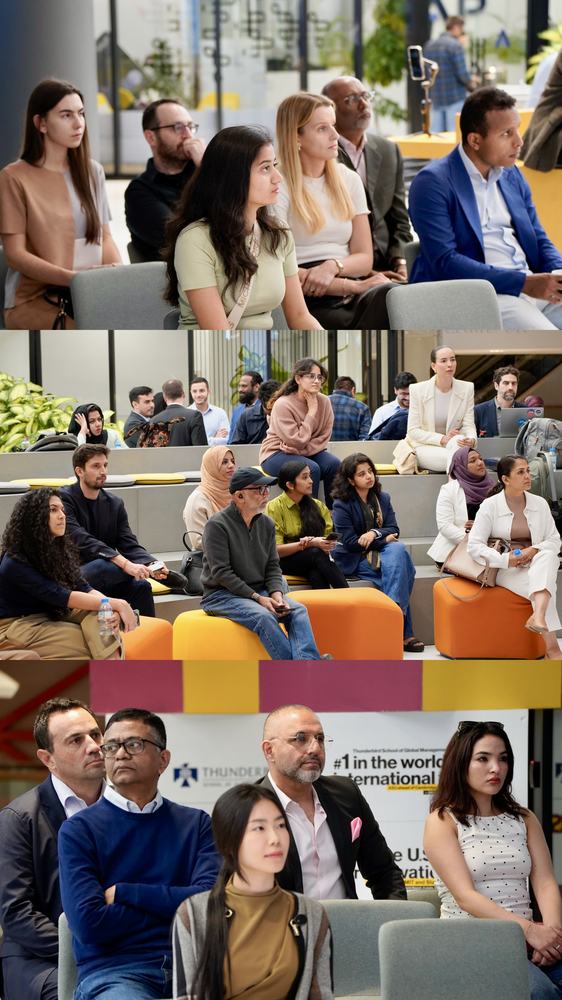

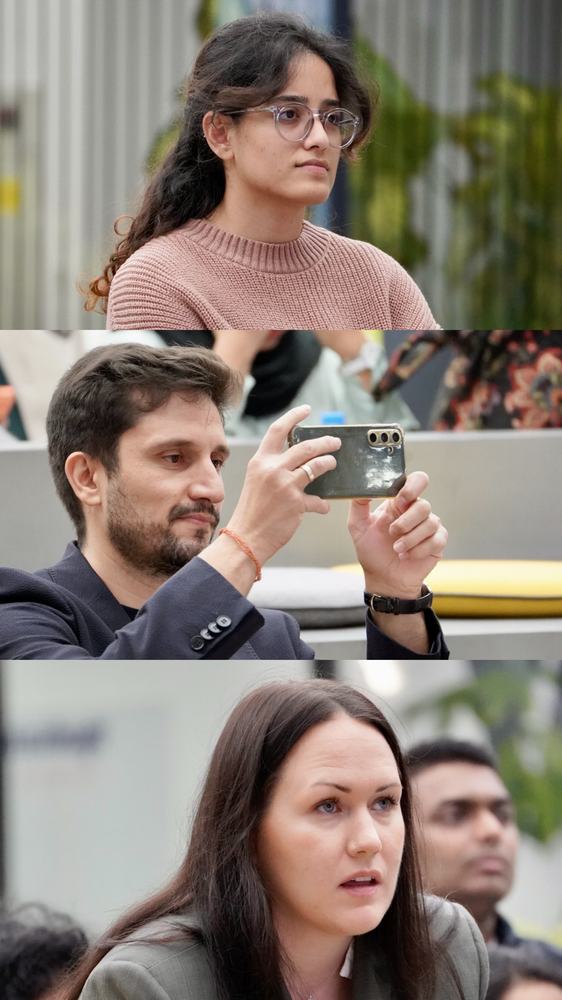

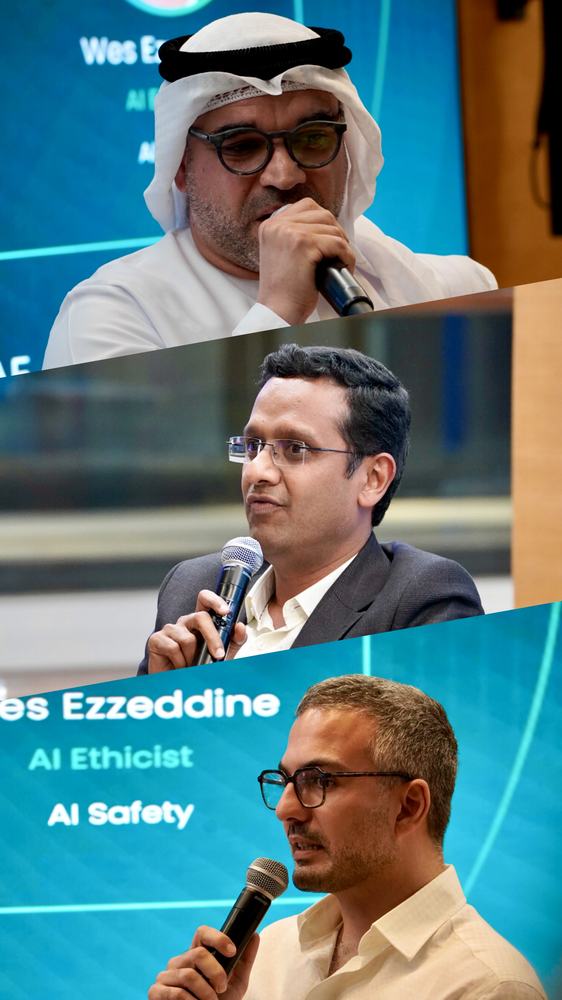
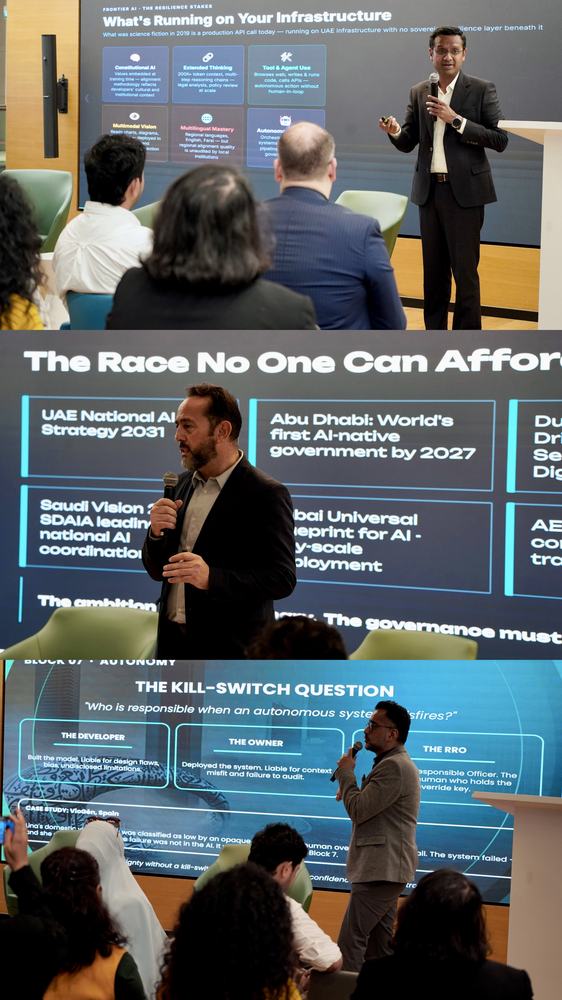
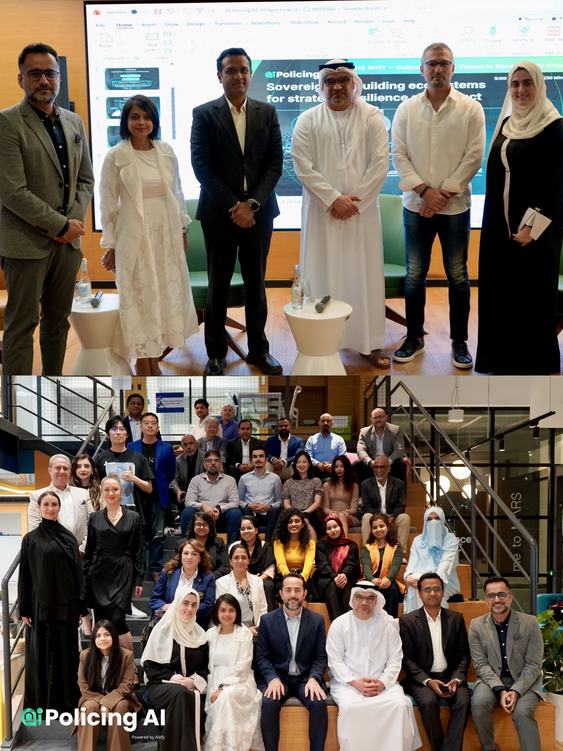
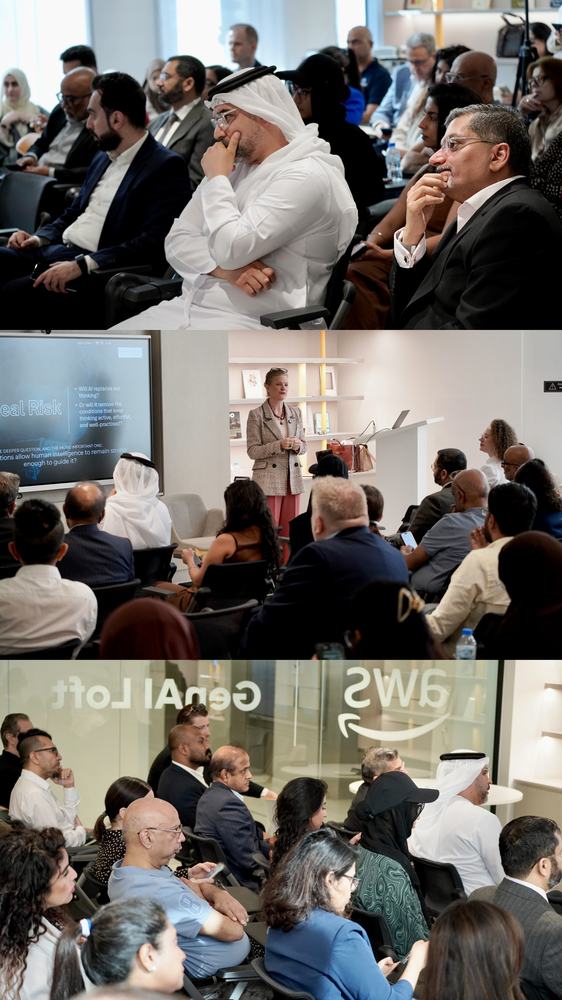
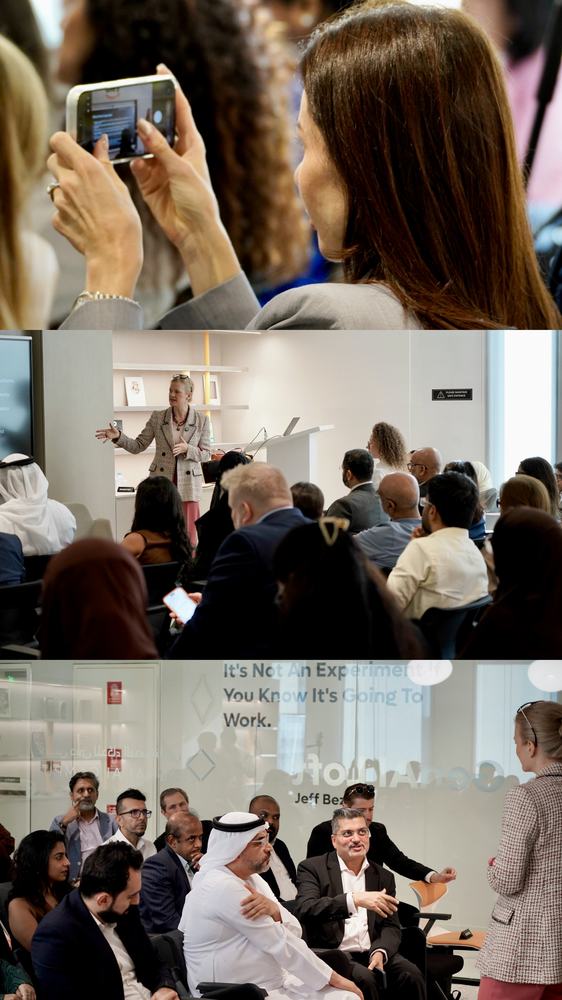
CISOs · DPOs
CROs · CFOs
CHROs · L&D
CTOs · CAIOs
COOs · Directors
Explore responsible adoption through real questions, working sessions and peer experience.
Bring security, risk, workforce, technology and operational viewpoints into the same room.
AISFY OS can preserve participation, takeaways and next steps without making the community part of the product.
Organizations are deploying AI faster than they can govern it. The gap between adoption and oversight is widening — and the consequences are no longer theoretical.
AI Policing AI exists to close that gap. We bring together the practitioners who are building, regulating, and securing AI systems to share what actually works — and what has already failed.
Will your organization be ready before disruption arrives?
AI Policing AI exists to anticipate change early, collectively map operational risks, and explore governance-first approaches before major transitions impact the market.
Exploring AI alignment, security boundaries and enterprise onboarding readiness.
Preparing organizations for autonomous multi-step workflows and responsible agentic AI adoption.
Addressing data localization, infrastructure resilience and regional AI independence.
Protecting critical thinking, decision-making, and human oversight in AI-assisted enterprise environments.
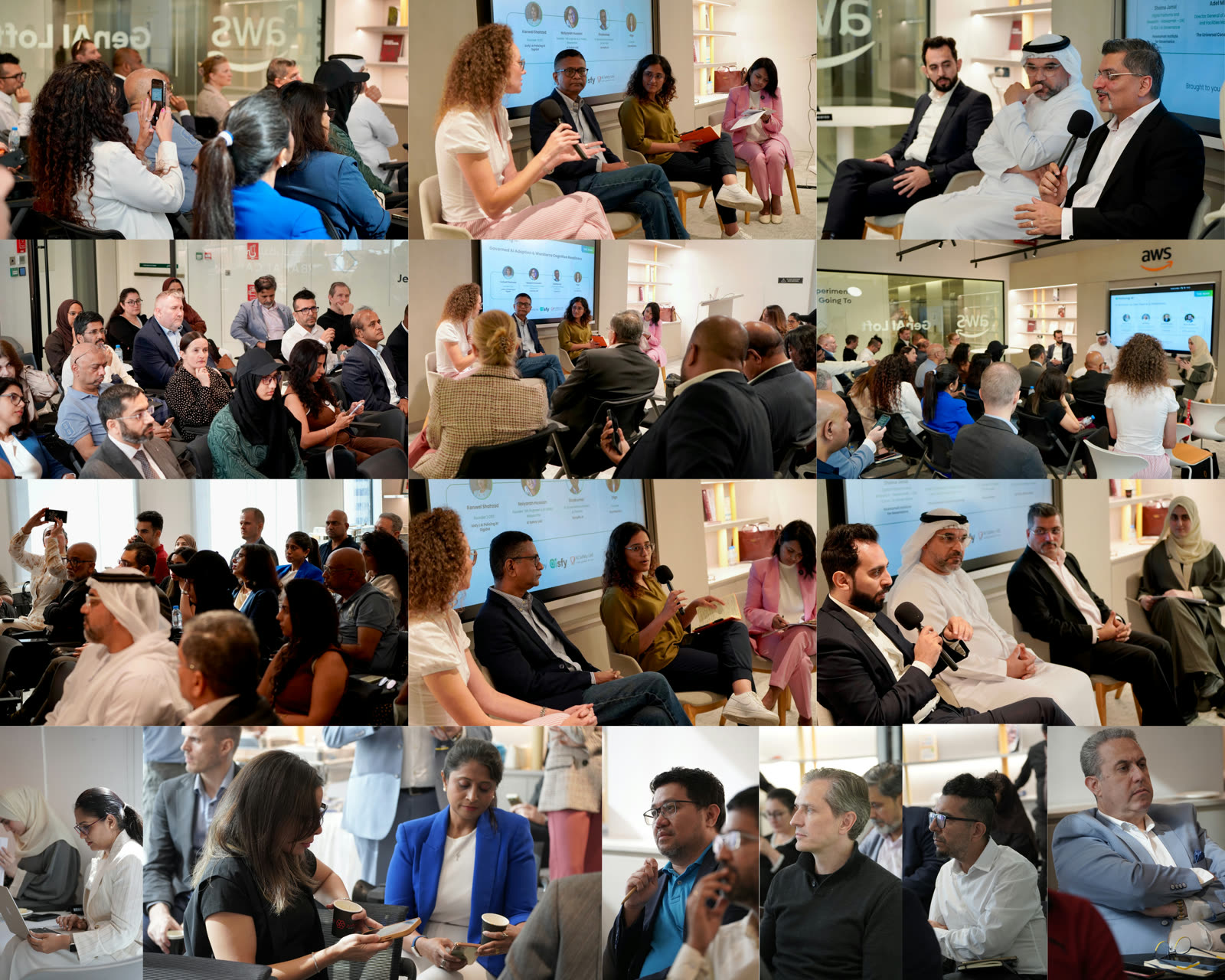
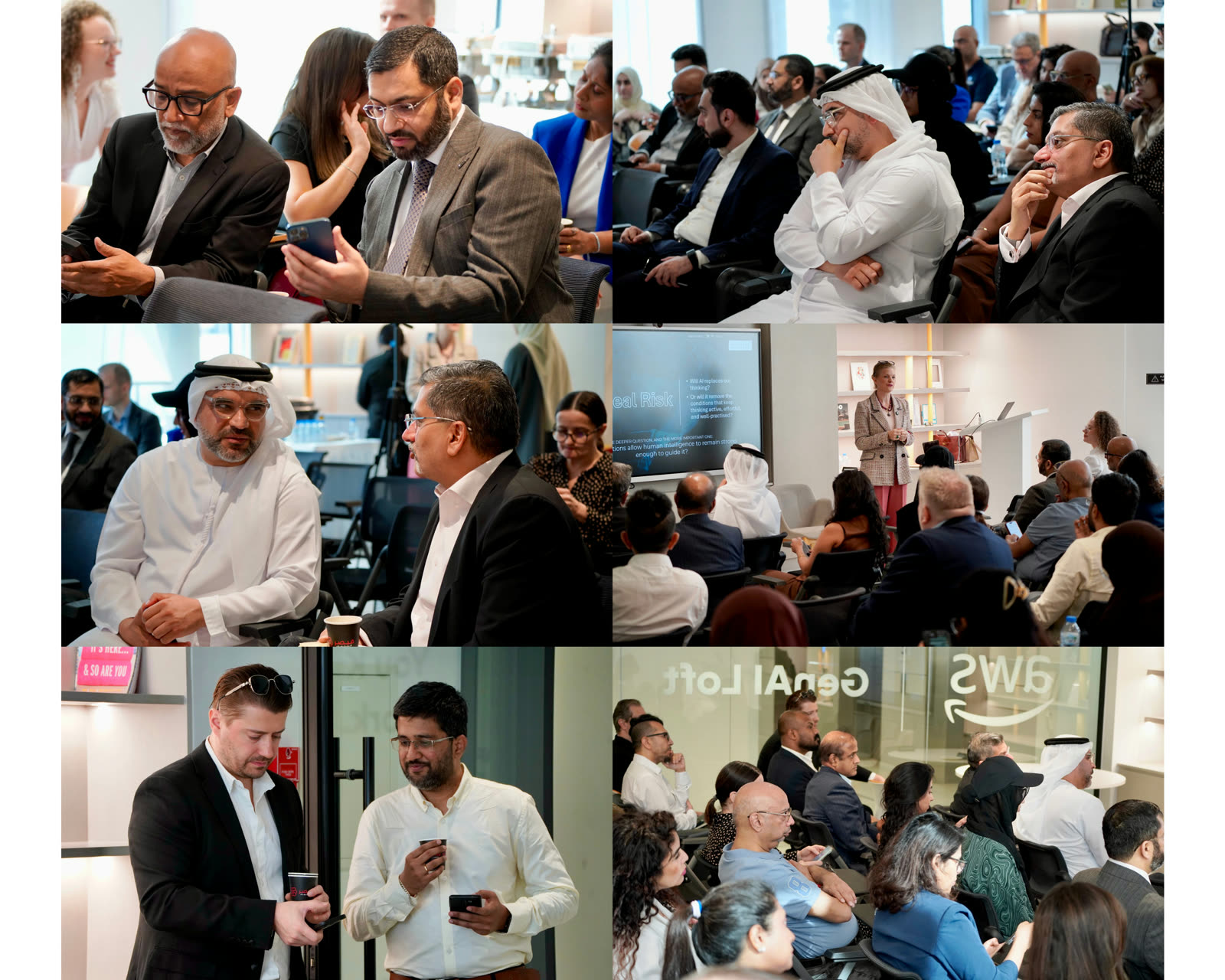
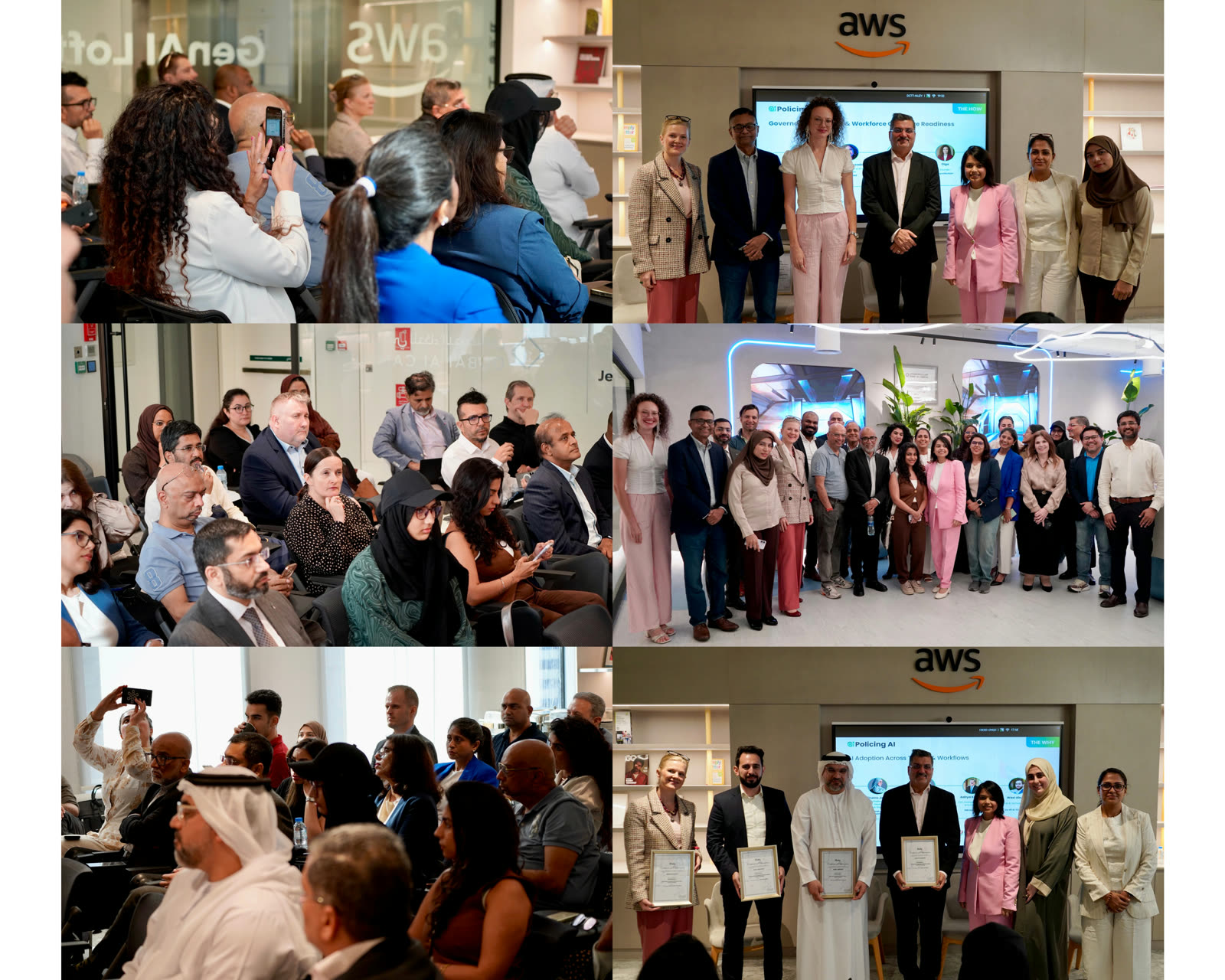
Practitioner sessions in Dubai — real incidents, practical governance work and shared accountability.
DIFC FinTech Hive, Innovation Hub, Dubai
A closed-door executive dialogue on AI’s impact on organizations, people and decision-making. Registration is subject to host approval.
View session on Luma ↗DIFC Dubai AI Campus, Innovation One, Dubai
Deploying AI without losing the judgement the organisation depends on.
View session on Luma ↗DIFC FinTech Hive, Innovation Hub, Dubai
Sovereign infrastructure and data-localisation strategies for organisational readiness.
View session on Luma ↗Open Stage, Innovation Hub, DIFC
Autonomous multi-step workflows and the governance frameworks needed for responsible adoption.
View session on Luma ↗Open Stage, GD4, Gate Avenue, DIFC
Executive AI enablement, security boundaries and onboarding readiness.
View session on Luma ↗Meet practitioners featured across community sessions in AI governance, cybersecurity, compliance and enterprise leadership.
Symplfy.ai
AI Strategy Leader & ISO 42001 Lead Auditor

Mamo
AI Safety UAE · Fintech · AI Alignment
View LinkedIn profile ↗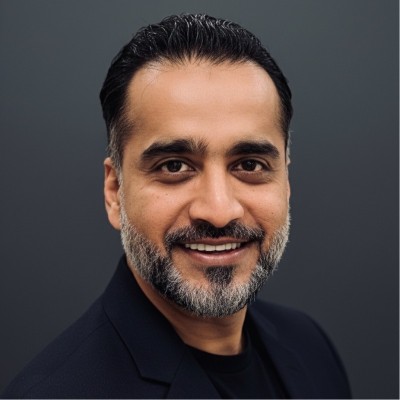
ConsulThingz
EY Director · AI & Cybersecurity Advisor
View LinkedIn profile ↗
Capgemini Invent
Executive Advisor, AI Strategy & Governance
View LinkedIn profile ↗
Dubai Electricity & Water Authority
AI & Emerging Tech Leader @ DEWA
View LinkedIn profile ↗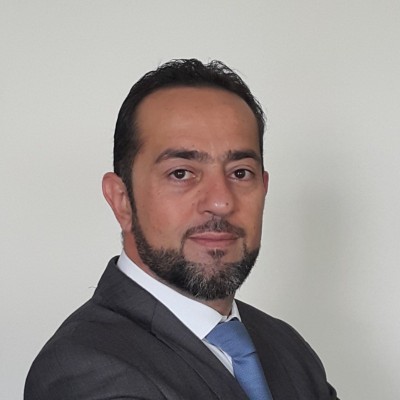
University of Technology Sydney
AI Governance Advisor · DBA in AI Governance
View LinkedIn profile ↗Hawkamah Institute for Governance
AI Governance | Research & Responsible Technology
View LinkedIn profile ↗Emvo
Co-Founder & CTO · Sovereign AI Systems
Bloom.pm
CEO · Impact Accelerator Platform & Programs
Am I Tech Enough
GenAI Entrepreneur · IEEE AI Ethics Professional
Siemens Middle East
Regional Legal Manager · Smart Infrastructure
MYData Consulting
Data Protection Officer · Privacy Expert (PECB)
Green Proposition
Founder & CEO · AI Global Exchange Forum

AI Governance Leader
AI Governance & Responsible AI Expert

AI Governance Practitioner
AI Policy & Responsible Technology

AI Governance Expert
AI Strategy & Governance Specialist

AI Governance Practitioner
AI Risk & Governance Advisor
Roles and affiliations as listed for the community sessions.
A structured discussion that moves from awareness to actionable governance. Each edition adapts the format to its theme and agenda.
Each session opens with a rapid-fire briefing of the most significant AI governance headline from the past 30 days. Not speculation — real incidents that have already occurred and been documented.
We deconstruct the technical and operational failure. What system failed? What policy was missing? What control should have caught it? This is practitioner-level analysis, not surface-level commentary.
Beyond the technical failure, we examine the organizational and cultural root causes. Why was the policy not enforced? Why did human oversight fail? Why was governance documentation insufficient?
We map who was accountable at each stage of the failure. Not to assign blame, but to understand where accountability structures need reinforcement — and where they are currently absent.
We construct a practical prevention framework based on the failure analysis. What controls would have caught this? What policies would have prevented it? What governance infrastructure is required?
We close with actionable implementation guidance. How do you build these controls into your organization? What is the timeline? What resources are required? What are the quick wins vs. the long-term investments?
AI Policing AI is designed for practitioners who are accountable for AI outcomes.
Executives accountable for AI governance, risk, and strategic AI adoption decisions.
Technical leaders building autonomous agents, AI workflows, and intelligent systems.
Security professionals responsible for AI threat modeling, incident response, and protection.
Leaders managing AI-driven workforce transformation, upskilling, and cognitive readiness.
Professionals navigating AI regulation, policy enforcement, and legal accountability.
Change agents driving AI adoption with governance-first, human-centered approaches.
The standards that guide our sessions, discussions and member interactions.
Closed sessions bring together people actively building, governing or securing AI systems.
Every session is grounded in real incidents, real failures, and real governance outcomes.
This is a governance community, not a sales floor. Product pitches are not permitted.
Work toward practical, implementable governance guidance that participants can take back to their organizations.
Closed sessions are invite-reviewed to ensure every participant contributes to the discussion.
Open sessions are public community events with registration. Closed sessions are practitioner-only and invite-reviewed, allowing candid discussion of sensitive cases and operational experience. Check the event listing for its access requirements.
Register your interest using the form below and tell us about your professional background and current work. For a listed session, apply through its registration link. Participation is reviewed for practitioner fit; registration does not automatically confirm attendance.
Check the individual event listing for current ticket prices and access conditions. Contact AISFY through the interest form for questions about participation or organization programs.
Community sessions take place in Dubai, including DIFC FinTech Hive and DIFC Innovation Hub. Check the individual event listing and your attendance confirmation for the exact venue, timings and any virtual options.
AI Policing AI is an independent practitioner community. AISFY OS supports the continuing AI Enablement Journey through connected visibility, program operations, participation analytics and privacy-protected readiness aggregates. Community discussion helps people explore responsible adoption and human accountability.
Tell us about your work and the responsible-AI questions you want to explore. Current invitations are shared when an edition is confirmed.
Responsible AI requires ongoing conversation.
Responsible AI requires ongoing conversation.
Invitations are released as places become available.
About AISFY →