

Join The Community
AI governance is a shared responsibility. Failures happen when we work in silos. AI Policing AI brings builders, operators, and regulators together to learn from real incidents.
What Members Work On:
Request Invite To our Next Closed Session
AI Policing AI runs both open and closed sessions. Closed sessions are limited, practitioner-only, and reviewed to ensure productive discussion
Access is reviewed. Not all requests are accepted.
Community Events
Discover trusted professionals and powerful partnerships that turn your vision into a well-executed community event.
What is AI Policing AI?
AI Policing AI is a practitioner-led community focused on real-world AI failures — not hypothetical risks or policy debates.
We study what actually went wrong:
- when AI systems misfired,
- when safeguards failed,
- when responsibility became unclear,
- and when governance arrived too late.
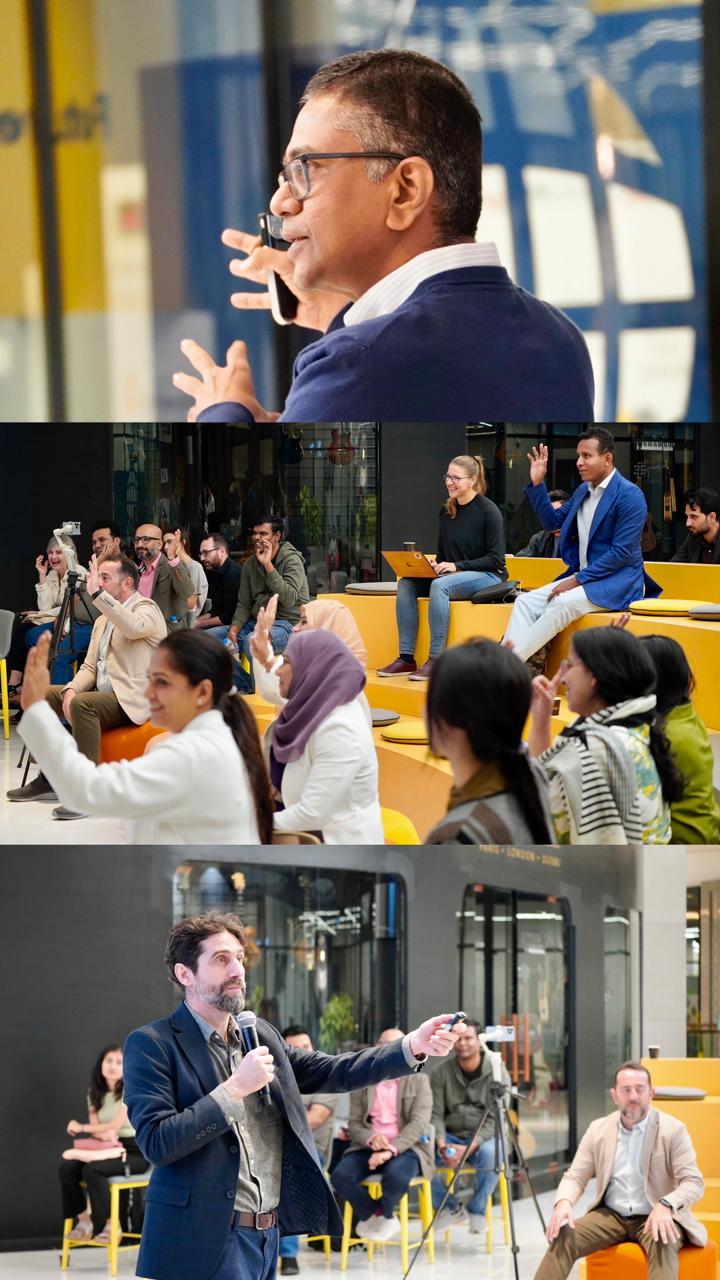

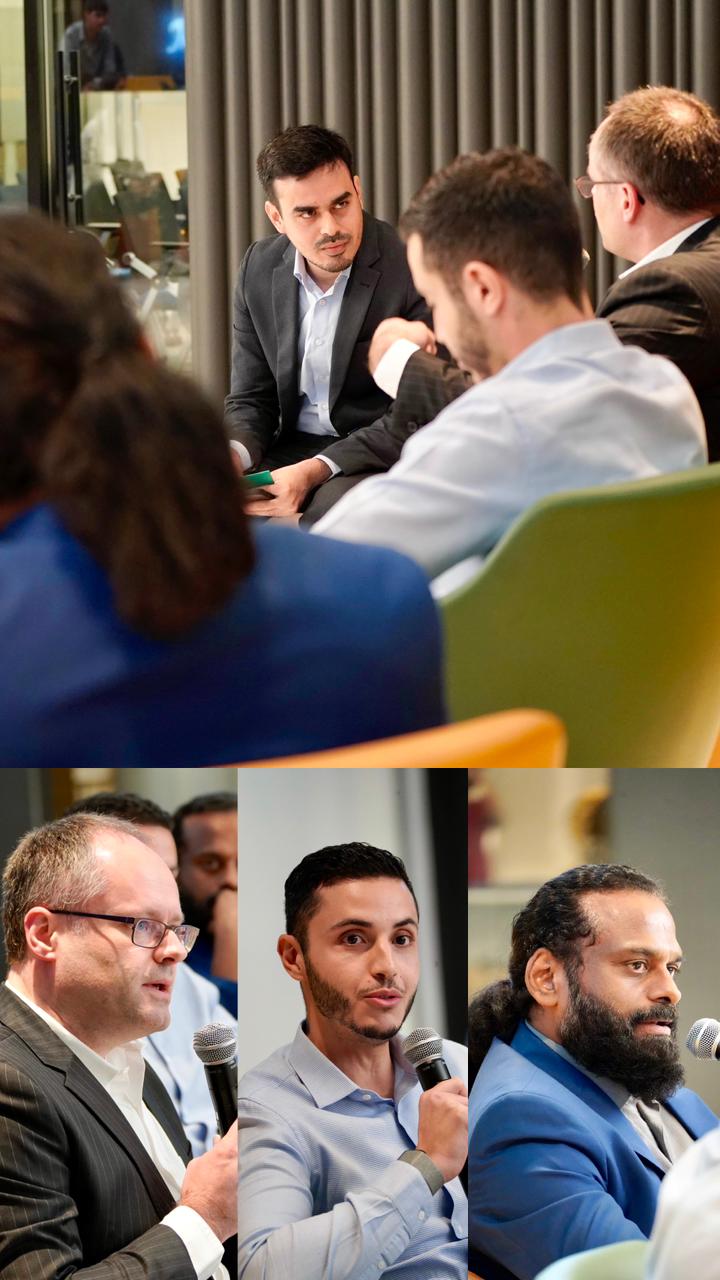
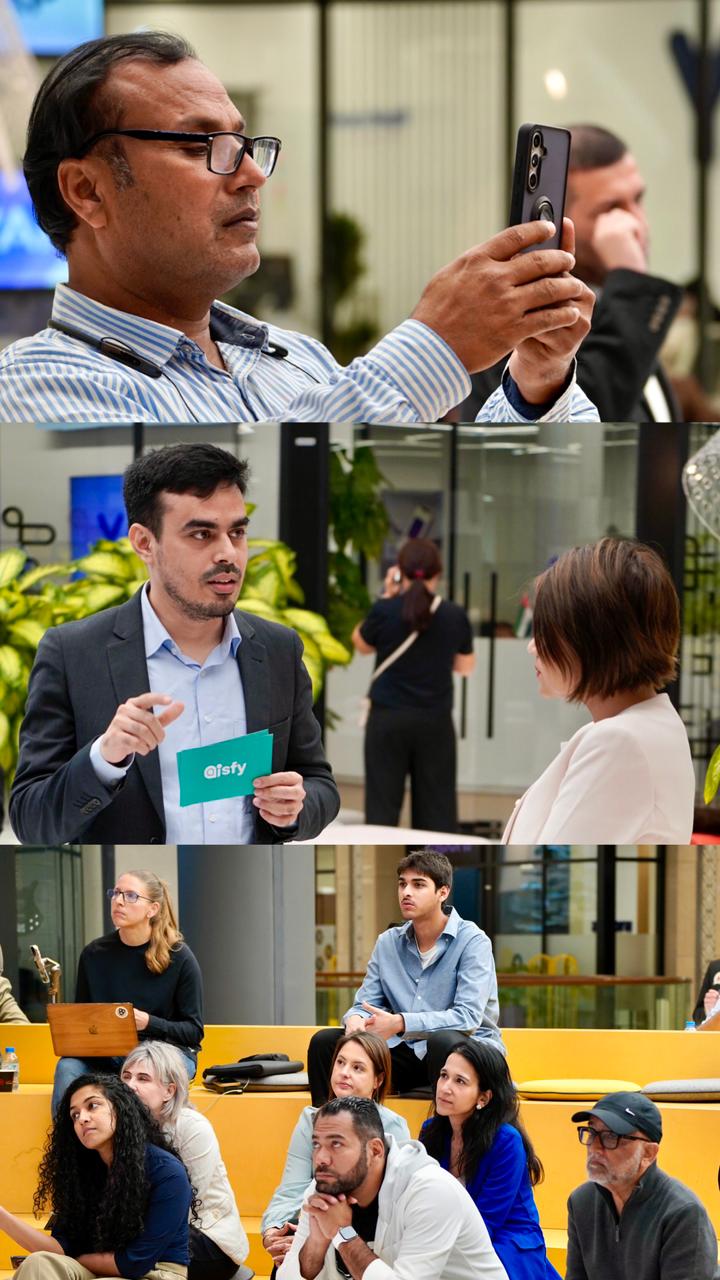
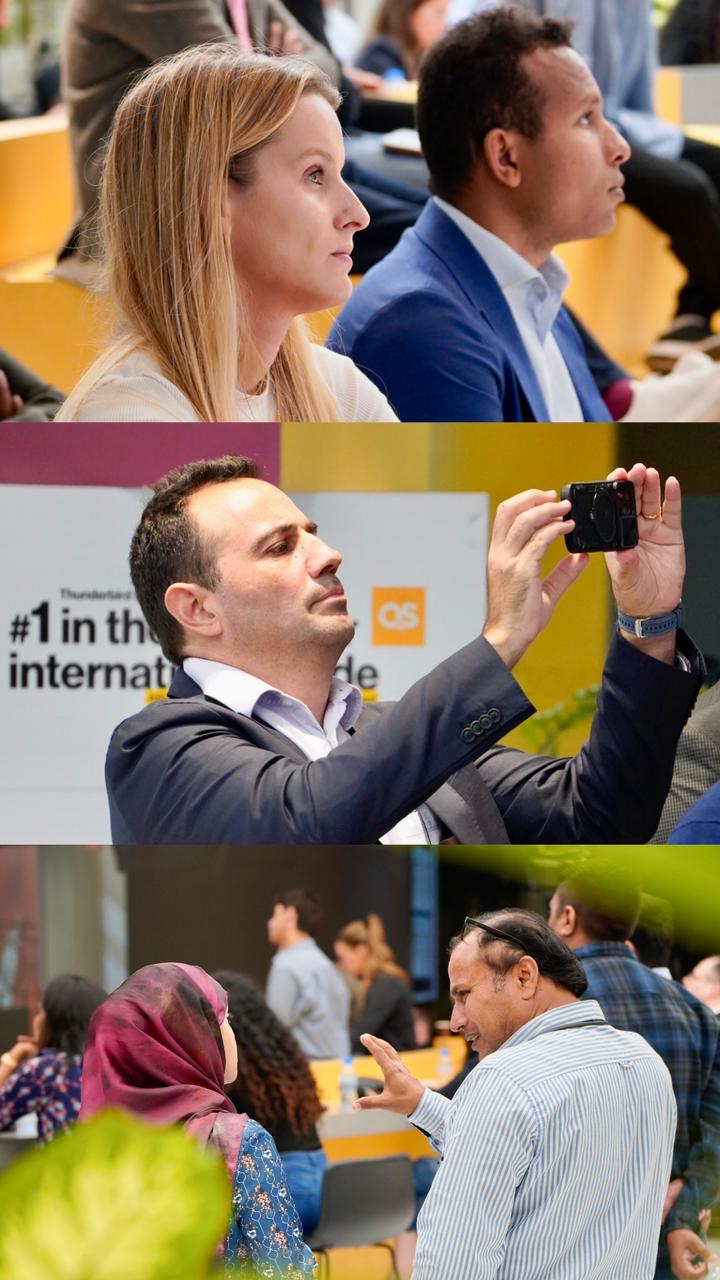




Unique Format For Community Events
Each session begins with a documented AI failure observed in production systems, including:
These are not hypothetical risks.
They are failures that occurred after AI systems were allowed to act.
The Pulse establishes what happened — without interpretation, framing, or justification.
We analyze:
This includes examining:
The objective is to identify the exact technical and organizational conditions that allowed unsafe execution.
Here we examine why governance mechanisms failed at the moment of action, despite existing earlier in the lifecycle.
Common failure patterns include:
The conclusion is consistent:
Governance is not broken everywhere — it breaks where execution is unchecked.
AI failures do not affect systems in isolation.
We examine impact across:
When AI executes, responsibility does not disappear — it shifts, often silently.
This segment reconnects execution failures to the full AI lifecycle — without contradiction.
We examine:
This includes references to:
The central question is:
How can governance be enforced before execution — not audited after?
AI governance is defined across the lifecycle,
but validated at execution, where rules either hold or fail.
Each session concludes with a hands-on governance exercise.
Participants:
This is not about tools.
It is about system design.
The output is not consensus.
The output is operational clarity.
Why AI Policing AI Exists
AI Policing AI exists to bridge this gap.
The community brings together people who are collectively responsible for AI outcomes to:
- Analyze real-world AI failures, not hypotheticals
- Identify where governance should have intervened earlier
- Understand how responsibilities overlap across teams
- Surface signals that were missed before execution
- Co-design safer AI systems before they act in the real world
It’s built when stakeholders align, learn from failure, and design together.
Operators responsible for AI running in live workflows
Leaders accountable for regulatory and business risk from AI decisions
Engineers and architects building agentic and autonomous systems
Governance, risk, compliance, and policy practitioners overseeing AI systems

Request Access to AI Policing AI
AI Policing AI sessions are, practitioner-led, limited in size, focused on real systems. Some sessions are open. Others are closed and reviewed.