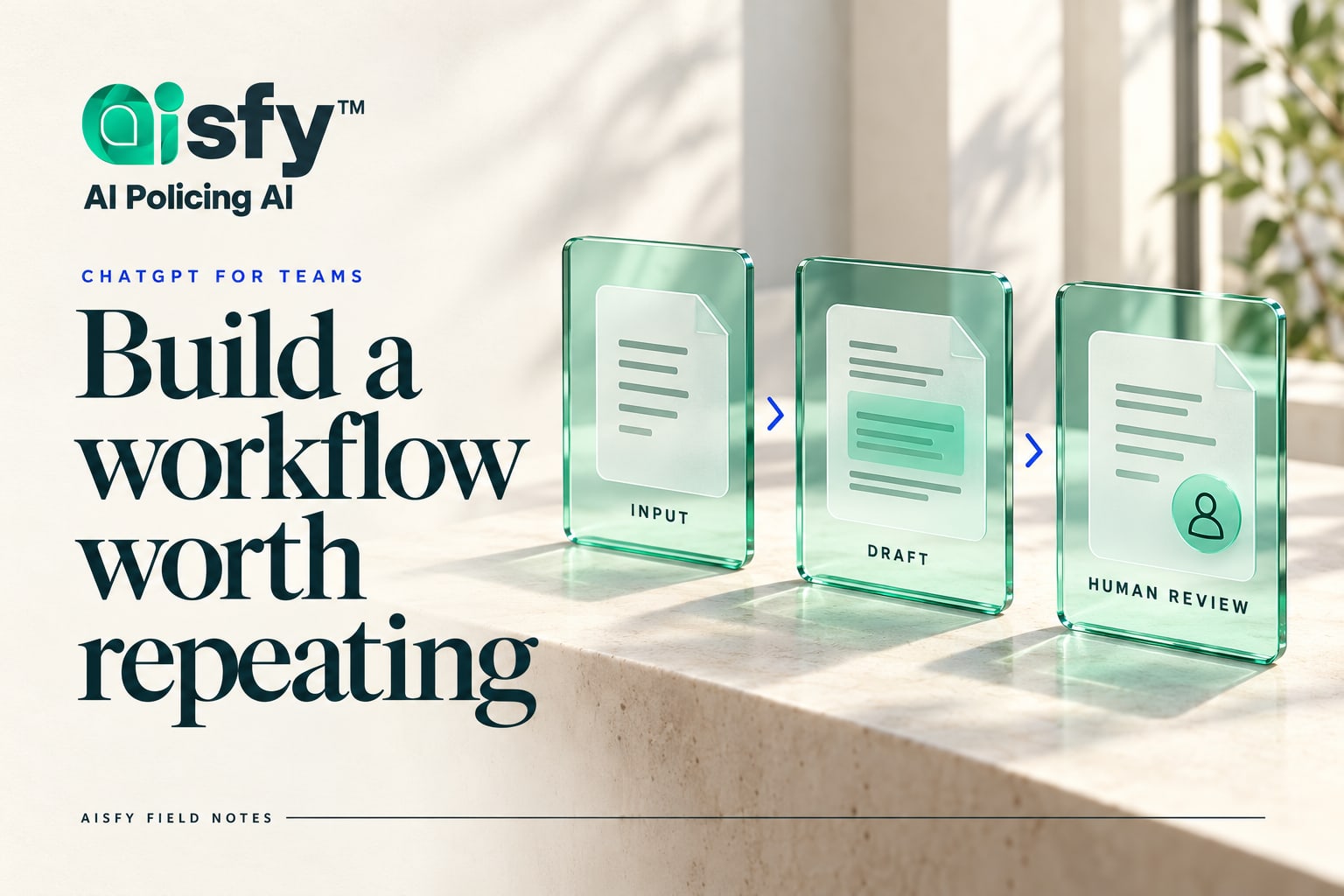
A repeatable ChatGPT workflow makes the task, source and review standard explicit. Practise on fictional information first, then decide whether a supervised version belongs in your team’s work.
How should teams prepare a small source pack?
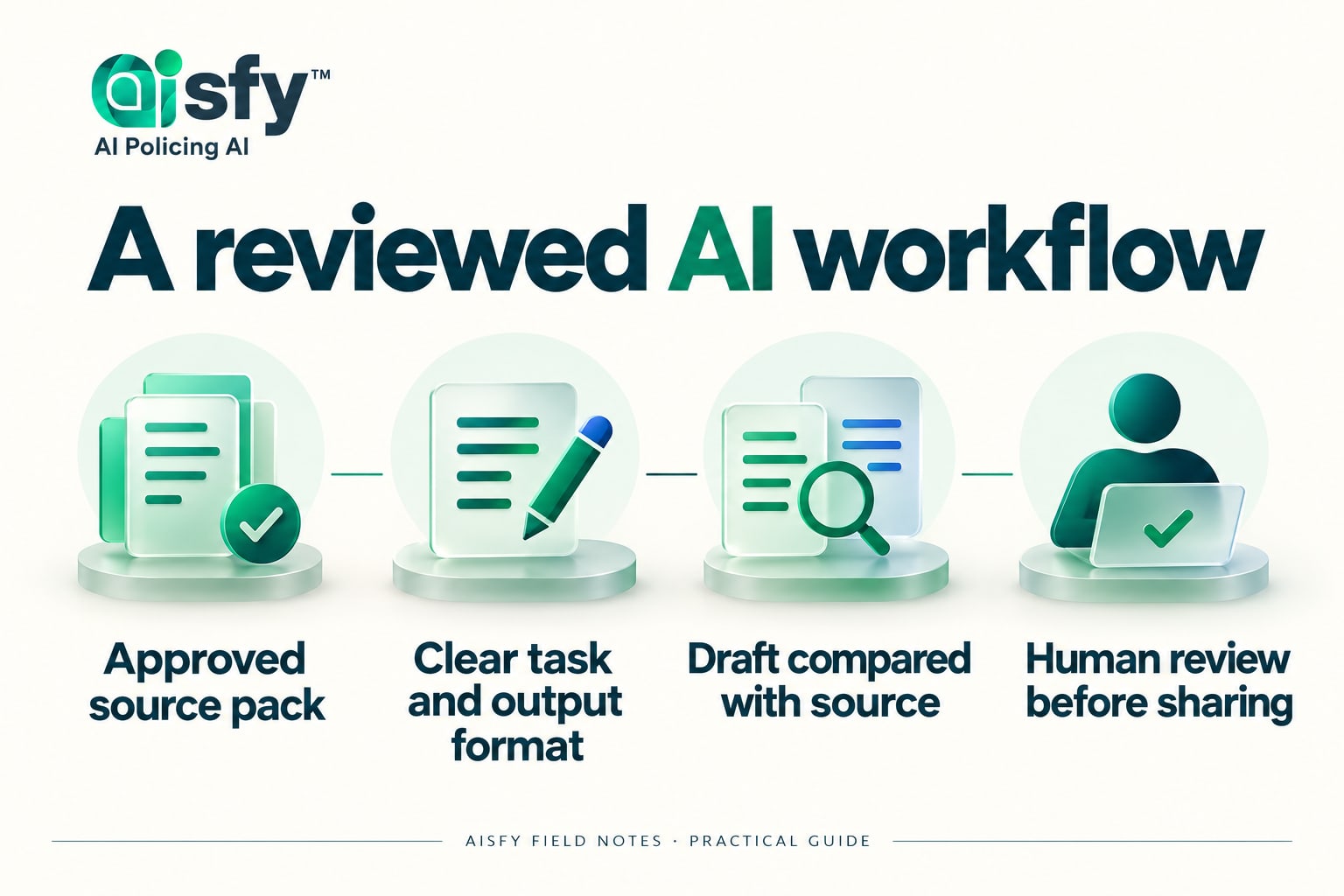
Create a fictional project note with a purpose, three actions, two dates and one unresolved question. Add a short style guide describing the intended reader and desired length. Use an account your organization permits for training and confirm which features are actually available.
Keep the exercise independent of optional integrations. Participants can learn the core workflow by supplying approved text and reviewing a draft. A connector, shared workspace or automated action is not necessary to demonstrate task definition and careful evaluation.
How should teams write the task brief?
Describe the output before asking for it. A useful brief identifies the reader, source material, required structure and what to do when information is missing. The following example is fictional editorial guidance, not a guarantee of a particular model response.
Example: “Create an internal project update from the notes below. Use sections for completed actions, open actions and questions. Preserve the dates and owners exactly. If a status is unclear, label it unconfirmed. Do not invent progress or make commitments. Return a draft for review.”
Ask participants to predict two ways the draft could fail before they generate it. This gives the subsequent review a purpose and helps prevent fluency from becoming a substitute for evidence.
How should teams check each claim against the notes?
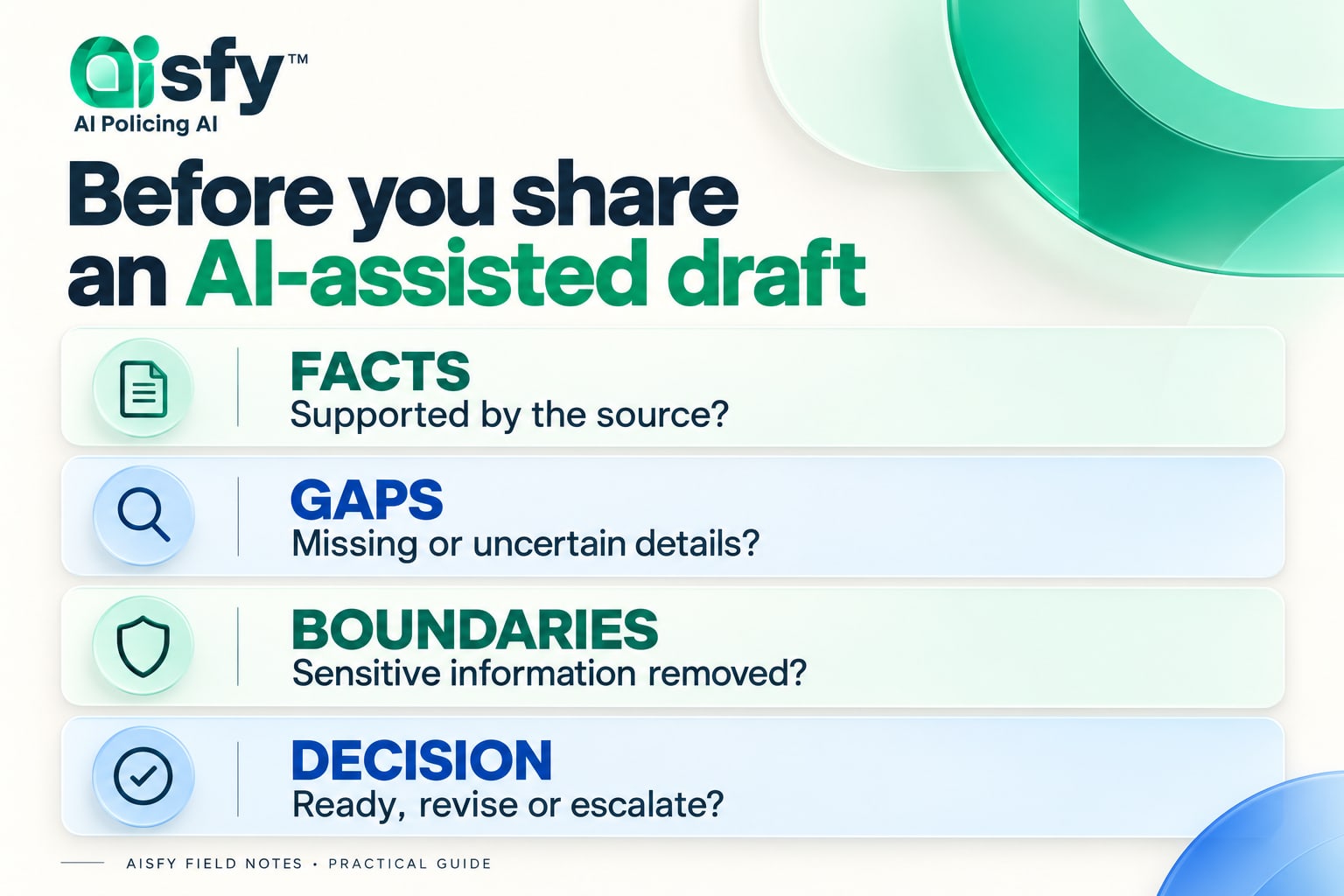
Review the draft line by line. Mark whether each factual claim is supported, contradicted or absent from the source. Check numbers and dates independently, and distinguish a suggested action from an action already authorized.
If the source says a review is planned, the draft must not say it has happened. If two notes disagree, preserve the conflict and identify the owner who can resolve it. Asking ChatGPT to check itself can help surface questions, but the source and human reviewer remain necessary.
| Check | Question |
|---|---|
| Factual accuracy | Can I locate the supporting source? |
| Completeness | Did an open action disappear? |
| Status | Did a plan become a completed action? |
| Authority | Did the draft create a commitment? |
| Audience | Is this appropriate for the intended reader? |
How should teams revise with specific feedback?
Use the correction log to request a targeted revision. “Improve this” gives little direction; “Keep the Friday date unconfirmed and move the missing owner into Questions” describes an observable change. Compare the revision with both the source and the previous draft.
Avoid restarting repeatedly until an answer merely looks persuasive. Save a short explanation of why the final draft is acceptable or why it was rejected. That record helps colleagues repeat the review method without copying a single lucky interaction.
How should teams transfer the method carefully?
For a second exercise, use a fictional customer FAQ with explicit policy boundaries. Ask participants to identify questions the source cannot answer and route them for review. Never send the response as part of the exercise.
The team workshop page provides an indicative learning scope, while the output-review checklist in this category can be reused during practice. Current feature details should be checked in official documentation and against your organization’s account configuration.
What questions do readers frequently ask?
Is the best exercise a live automation?
Not for this learning objective. A bounded draft and visible review process are enough to practise the skills without creating external side effects.
Does a well-written task brief guarantee accuracy?
No. It clarifies the request, but the output still needs checking against reliable sources and your organization’s rules.
Which sources support this guide and further reading?
The exercises and worksheets are AISFY editorial guidance. They are not vendor certification or a claim of measured customer outcomes.
How can you put this guide into practice?
Use these questions to prepare a team brief, then explore chatgpt workshop for teams to discuss the appropriate scope. Continue through the chatgpt training for teams category for the related checklists and exercises.