
The full Go1 distributed release was read on 5 November 2026. It was published on 4 November 2026 at 12:00 ET, inside the exact 4 November 08:00 to 5 November 08:00 Asia/Dubai coverage window. The official Go1 collection page and OpenAI's older 21 September learning-path announcement were also read in full. The article treats the fresh development as course availability and distribution, not completed customer delivery or measured capability. Sources: Go1 — partnership announcement distributed through PR Newswire; Go1 — OpenAI Academy collection page; OpenAI — expanded Academy learning paths.
4 November 2026, global workforce-learning development: Go1 announced that OpenAI Academy courses are now available through its workplace learning ecosystem. For CEOs, COOs, CHROs, CAIOs, HR directors and L&D leaders, the buyer decision is whether the present constraint is distributing learning through familiar systems or demonstrating role capability and transfer after access is provided.
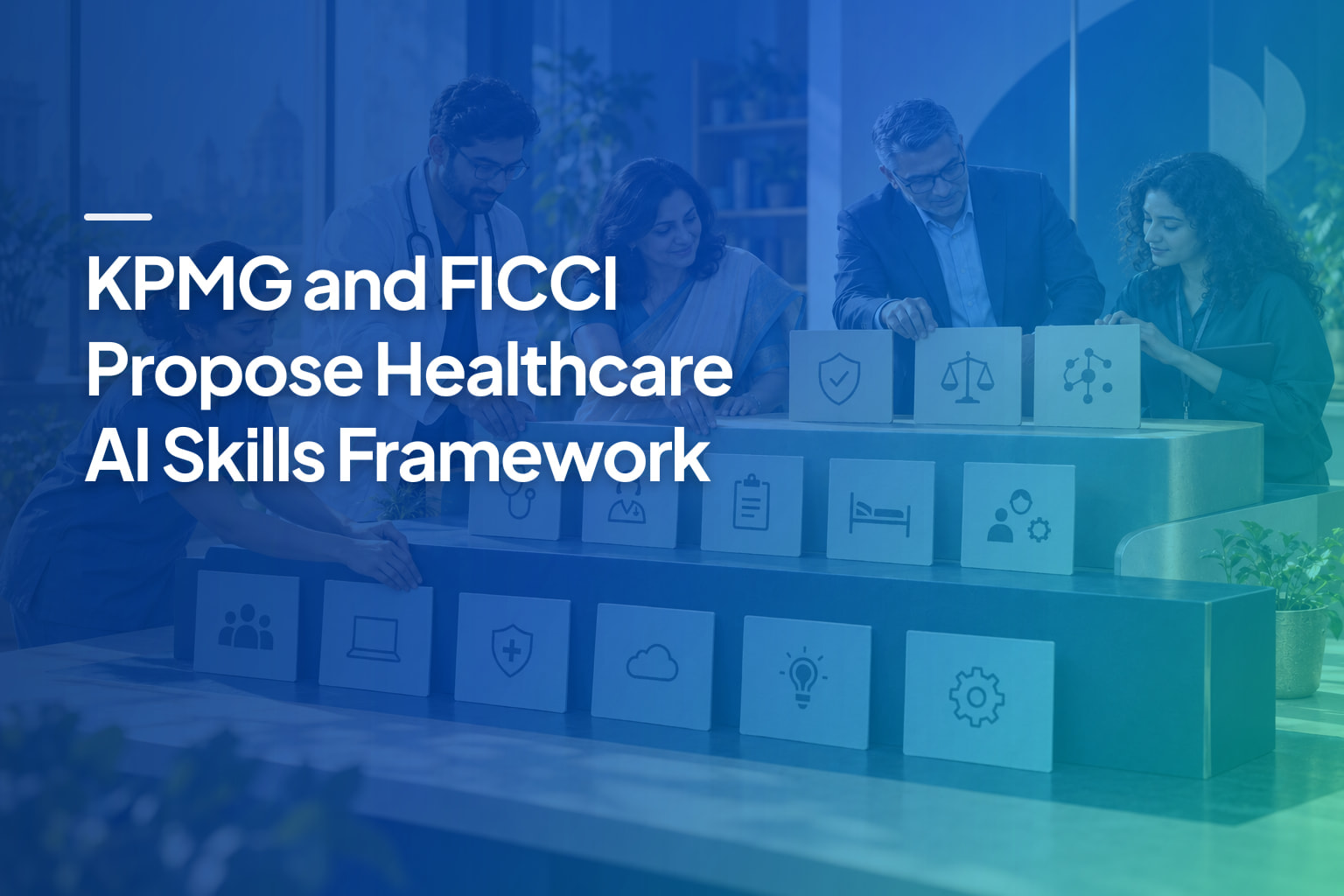
The featured image is an AISFY editorial photograph of a fictional scene. It does not depict Go1, OpenAI, a customer, an actual learning system or measured results.
What did Go1 and OpenAI announce?
A Go1 release distributed on 4 November 2026 says OpenAI Academy courses became available through Go1 that day. It describes a route for HR and L&D teams to curate and assign learning through systems employees already use, with visibility into engagement, learner sentiment and emerging skill needs. This is a vendor announcement about availability and administration, not a report of completed customer delivery or measured capability.
Go1's official OpenAI Academy page lists AI Foundations, Applied AI Foundations, and Agents and Workflows as complete courses and focused modules at launch. It says administrators can activate the collection, curate and assign it, while learners can find the material through their configured Go1 experience. The page also notes that the experience varies by configuration; it does not publish pricing, named customer adoption, completion, assessment or workplace outcome data.
How should a buyer interpret course access?
The learning design has a broader source. OpenAI's September 2026 description of its expanded learning paths distinguishes foundational learning from role pathways and says activities can include practical tasks, checkpoints, human review and assessments. It also advises managers and internal champions to give learners time and connect learning to work. That older publication explains the intended learning model; it is not fresh evidence that Go1 customers have completed it or applied it successfully.
For a UAE organization, the announcement establishes a new global distribution option, not local uptake, UAE-specific results or a substitute for the organization's own data, tool and review boundaries. A buyer still needs to decide which roles require which pathway, what approved work people should practise, who will review that practice and what evidence would justify moving from access to wider use.
What evidence should follow access and assignment?
AISFY editorial planning aid: This is an editorial recommendation for training buyers. It is not an outcome reported by Go1 or OpenAI.
| Buyer question | Useful evidence | What it does not establish |
|---|---|---|
| Can people reach the learning? | Activation, assignment, access and participation records by intended role or cohort. | That a learner can perform a workplace task correctly. |
| Can people demonstrate the intended capability? | A practical task using an approved scenario, evaluated against a stated rubric with human review. | That the capability will transfer to later work without support. |
| Does learning transfer into responsible work? | A later role-based checkpoint showing correct application, review effort, escalation and safe refusal where needed. | A broad business outcome unless the organization separately defines and measures one. |
AISFY reflection: separate the distribution gap from the capability gap
AISFY reflection: Putting credible learning inside a familiar system can remove a practical access barrier. It does not by itself answer whether people can use the learning on approved work, under the review conditions their role requires. Before buying or activating another catalogue, identify the roles, tasks and evidence that matter; then decide whether content distribution, facilitated practice, manager support or a combination is the missing layer.
Use the role-based AI training design guide to define practice around real work, then apply workshop evaluation beyond attendance to plan evidence after participation.