
The full Healthcare IT News report and Health New Zealand announcement were read on 7 November 2026. Healthcare IT News structured data records publication at 2026-11-06T03:15:42-0500, or 12:15:42 Asia/Dubai, inside the exact coverage window. The official Health New Zealand account is dated 4 November and says the academy had been held about three weeks earlier. The article therefore treats the fresh item as new reporting and an evaluation update, not as a same-day academy, deployment or outcome. Sources: Healthcare IT News — Te Whatu Ora explores AI in surgery prep, radiology referral; Health New Zealand — Clinicians explore how AI could help solve real healthcare challenges.
6 November 2026, global workforce-learning update: Fresh reporting on Health New Zealand's first Clinical AI Academy describes a three-day, problem-first learning format for 27 clinicians, digital and data specialists, and HealthX participants. For CEOs, COOs, CHROs, CAIOs, HR directors and L&D leaders, the buyer decision is whether a multidisciplinary learning studio can produce evidence strong enough to justify governed follow-through—not whether a workshop can generate ideas.
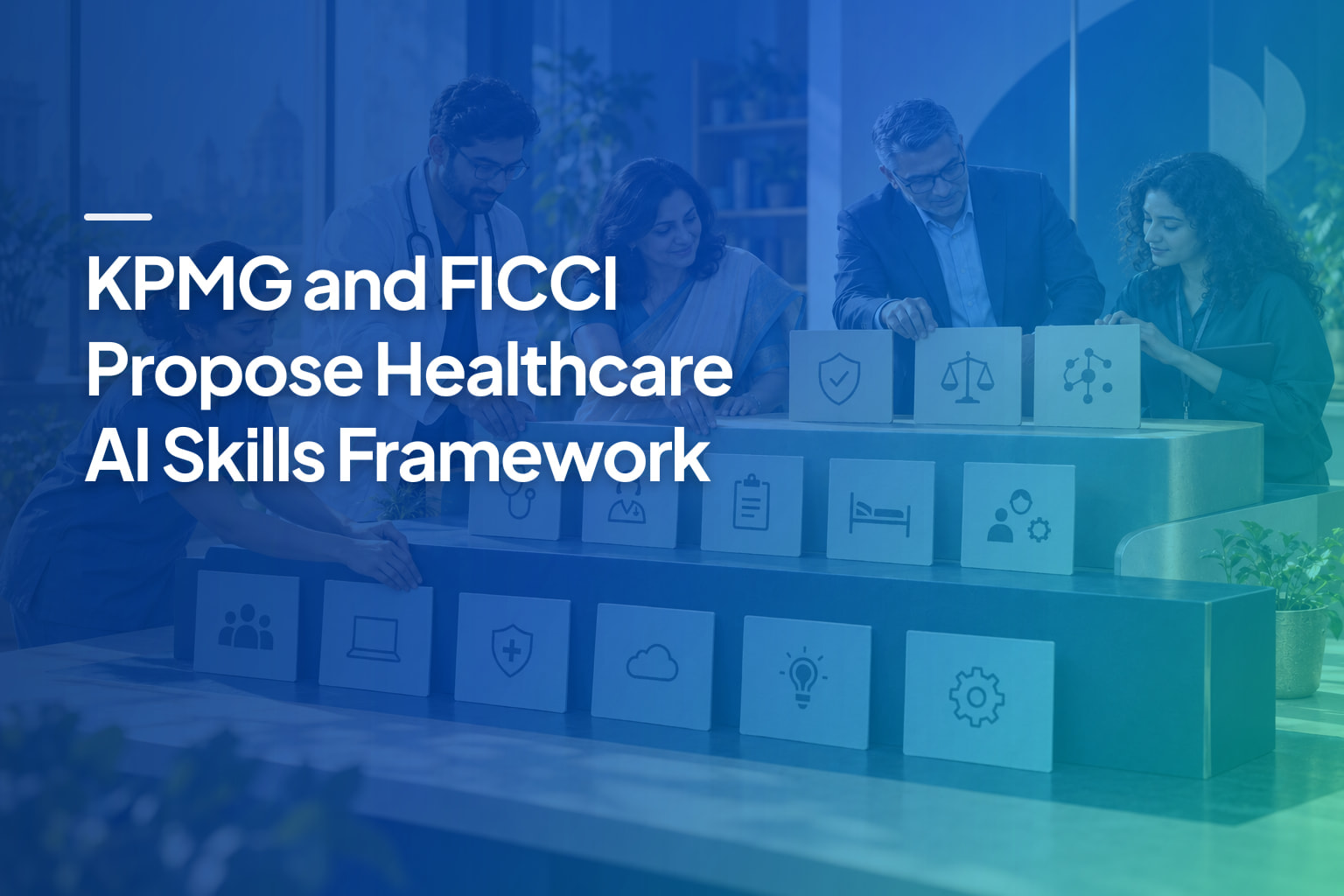
The featured image is an AISFY editorial photograph of a fictional scene. It does not depict the reported academy, its participants, venue, work or results.
What did Health New Zealand's Clinical AI Academy do?
A Healthcare IT News report published on 6 November 2026 describes the first three-day academy and adds that Health New Zealand plans to follow the cohort and evaluate the work over the coming months. The academy itself was held earlier: an official Health New Zealand account published on 4 November says it had taken place about three weeks before that announcement.
The 27-person cohort brought together clinicians, digital and data specialists, and HealthX participants. Short learning sessions covered AI basics, testing, data quality and safe use. Participants then worked in multidisciplinary groups inside what Health New Zealand described as a secure sandbox, beginning with a healthcare problem and considering whether AI was the right response rather than starting with a tool.
Three ideas emerged: summaries for pre-operative preparation, support for improving radiology referrals and identification of missed diabetes care. These were potential projects, not deployed services or measured patient outcomes. Health New Zealand says any idea taken forward remains subject to existing oversight, formal approval and review by its National AI and Algorithm Expert Advisory Group.
What evidence is available—and what is still missing?
Health New Zealand reports that many participants said they left with greater confidence and understanding. That is self-reported learning evidence without a published survey instrument, response count, comparison group or transfer measure. It does not establish that all 27 participants improved, that capability persisted or that any of the three ideas is safe or effective in clinical use.
The fresh 6 November reporting supplies an important next step: Health New Zealand intends to follow up with the cohort and evaluate the outputs and benefits over the coming months, with lessons informing a 2027 programme. The source does not publish the evaluation design, success measures or decision thresholds. Buyers should therefore treat the academy as a reported learning design with planned evaluation—not as proof of operational or clinical benefit.
This is a New Zealand public-health example. It can inform a learning-design question for UAE organizations, but it does not establish UAE regulatory fit, local workforce needs, equivalent governance or results. For a UAE healthcare comparison, see the recent UAE AI Office, Emirates Health Services and Siemens leadership-learning programme.
What should a buyer require after a problem-first AI studio?
AISFY editorial planning aid: This table is an editorial recommendation based on the decision sequence described in the sources. It is not Health New Zealand's published assessment framework and does not report academy results.
| Learning stage | Useful output | Evidence before the next step |
|---|---|---|
| Problem definition | A bounded clinical or operational problem, affected people, current process and reason AI may or may not be suitable. | Problem-owner confirmation, information boundaries, alternatives considered and a documented stop or proceed decision. |
| Controlled exploration | A concept or prototype created with approved information in a sandbox. | Test cases, known failure modes, human-review points and evidence that participants can explain limitations rather than only demonstrate a result. |
| Governed follow-through | A proposal for evaluation outside the learning setting. | Formal owner, oversight route, success and safety measures, affected-user review, rollback conditions and a decision date before operational use. |
AISFY reflection: the handoff is part of the learning design
AISFY reflection: A secure sandbox and multidisciplinary group can make practice more relevant, but the buyer still needs to decide what leaves the room. Define the evidence package, accountable reviewer and later workplace check before the programme begins. The useful question is not how many ideas a cohort creates; it is which problem, learning and governance evidence must exist before one idea receives further investment.
Use the role-based AI training design guide and workshop evaluation guide to plan the learning outputs and follow-through for a practical programme.