
The full Learnovate news release and 38-page Learning Signals Survey 2026 report were read on 10 November 2026. The release metadata records 9 November 2026 at 10:15:21 UTC, or 14:15:21 Asia/Dubai, inside the exact 9 November 08:00 to 10 November 08:00 coverage window. The article preserves the May 2026 survey period, 225-person online sample, rounded percentages and respondent mix, and does not generalize the Ireland-focused cross-sector findings to UAE prevalence or training outcomes. Sources: Learnovate Centre — workforce skills-gap survey announcement; Learnovate Centre — Learning Signals Survey 2026 report.
9 November 2026, global workforce-learning research: Learnovate's 2026 Learning Signals findings put an operating question ahead of course selection. For CEOs, COOs, CHROs, CAIOs, HR directors and L&D leaders, the decision is which condition must change—protected time, baseline capability, learning relevance or manager-supported follow-through—before another AI learning programme can produce useful evidence.
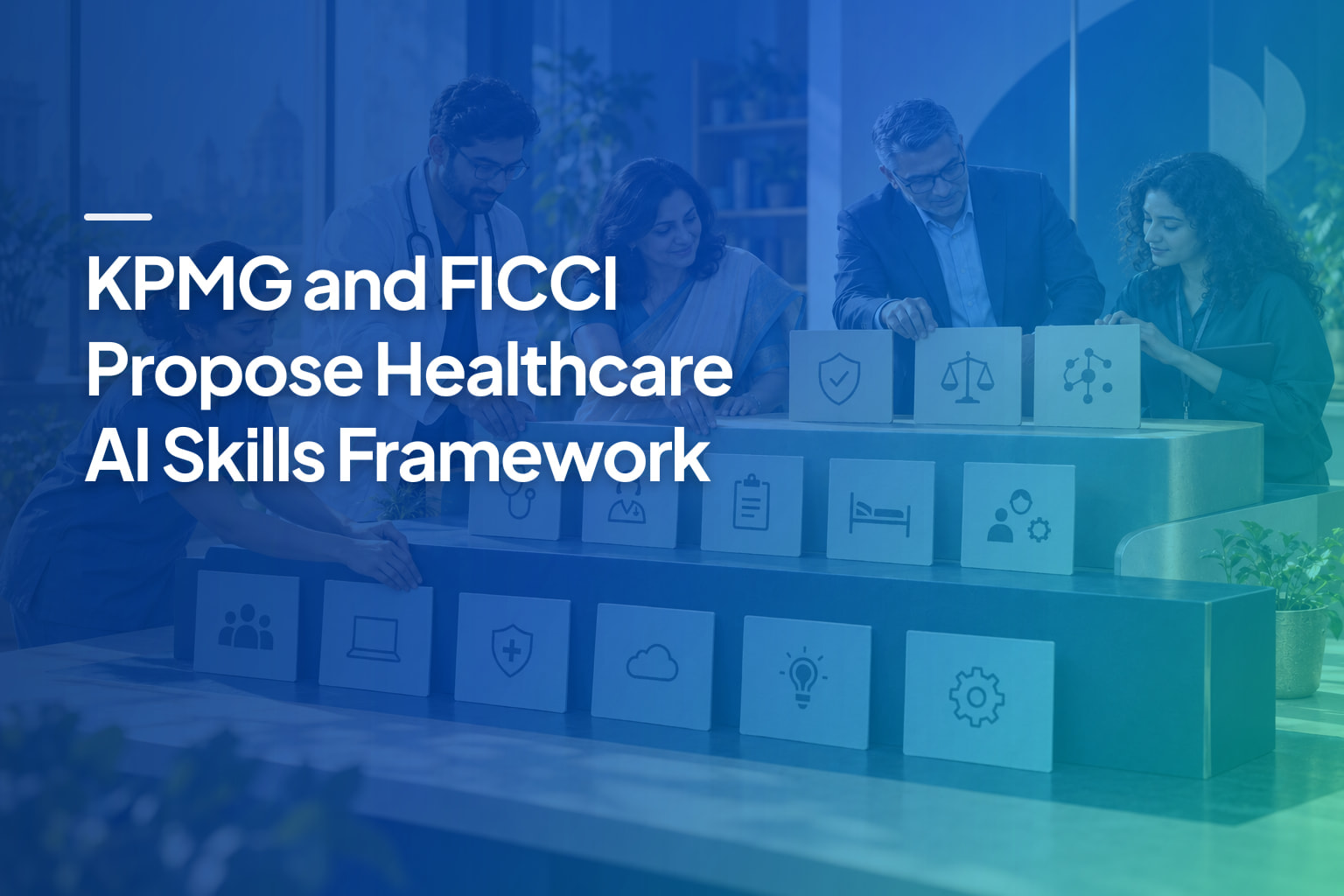
The featured image is an AISFY editorial photograph of a fictional scene. It does not depict Learnovate's research participants, an actual workplace, the survey process or its results.
What did Learnovate report about AI adoption and skills strategy?
A Learnovate Centre release published at 14:15 Asia/Dubai on 9 November says organizations are expanding AI use without consistently matching it with workforce development. Its full Learning Signals Survey 2026 report records 28% of respondents describing their organizations as actively deploying AI, up from 23% in 2025. Another 29% reported isolated pilots that had not scaled, while 27% described cautious experimentation.
On skills planning, 25% reported a regularly updated, forward-looking strategy aligned with business and L&D capabilities, while another 25% were developing one. The remaining responses included 24% addressing gaps reactively, 15% without a clear starting point and 9% not treating skills development as a strategic focus. The useful signal is a perceived planning gap alongside adoption; it is not proof that AI deployment caused the gap.
Which operating constraints are crowding out workforce learning?
Time and resource constraints were named by 74% as one of their top three barriers to developing digital skills. Uneven digital fluency was selected by 41% and resistance to change by 36%. When asked for the single biggest human or cultural barrier to learning, 60% selected competing operational demands that deprioritize learning.
These are self-reported barriers, not measured effects of a particular course. They nevertheless help a buyer avoid a common category error: changing the curriculum when the binding constraint is the work environment. A shorter module will not necessarily solve a manager-capacity problem; a generic foundation session will not necessarily solve wide variation in role needs or baseline capability.
How far can UAE workforce-learning buyers apply the findings?
Learnovate surveyed 225 people online in May 2026 across education, learning technology, business and other sectors. Education represented 46% of the sample, and the report says percentages are rounded. The release frames the findings around Irish organizations, but the sample is not presented as a representative census of Irish employers or workers.
The results therefore do not establish the prevalence of these barriers in the UAE, or show that a particular intervention improves learning, workplace transfer or business outcomes. UAE buyers can use the categories as assessment questions and test them locally. For a complementary role-level decision, see the EU brief on distinguishing upskilling from reskilling.
What should a buyer change before commissioning more AI training?
AISFY editorial planning aid: This table is an editorial recommendation derived from the buyer questions raised by the report. It is not Learnovate's assessment model and does not report outcomes.
| Likely constraint | Design response before purchase | Evidence to require |
|---|---|---|
| Time and operational pressure | Reserve work hours, define what activity can pause and confirm manager cover for the cohort. | Actual protected time, participation in practice and a record of interruptions or incomplete work. |
| Uneven baseline capability | Use one role-relevant baseline scenario, then segment foundation and applied practice. | Performance against the same rubric before learning and on a new scenario afterwards. |
| Low relevance or weak transfer | Choose one approved work task and assign a manager-reviewed application after the session. | Accuracy, review effort, safe escalation and evidence of correct use at a later checkpoint. |
| Unclear strategic direction | Name the capability, affected roles, operating boundary and decision the programme must support. | A written scope, accountable owner and a stop, revise or scale decision date. |
AISFY reflection: diagnose the learning environment before the curriculum
AISFY reflection: A buyer can commission relevant content and still leave employees without the time, support or work opportunity needed to apply it. Assess the operating constraint first, then match the learning format and evidence to it. The practical question is: what must managers protect or change so participants can practise, receive review and use the capability after the event?
Use the role-based AI training design guide and training-effectiveness guide to define the practice task, evidence and follow-through before procurement.
How can you schedule practice after AI training?
Choose a few takeaways to revisit after a program, course or event. Work out a manageable practice window before recording your next steps in AISFY.
- Planned practice
- 3hours
- Practice window
- 3weeks
Add your learning source, sessions and takeaways in the Learning Map, then record how you could apply them.
Continue in your Learning MapYou may need to sign in. Results stay on this page and are not saved or transferred to your AISFY account. Copy your plan before continuing.
Assumptions & calculation
Planned practice = takeaways × minutes each. Weeks = total practice ÷ weekly availability, rounded up. This schedules time; it does not predict retention, proficiency or workplace results.
Defaults are illustrative inputs, not benchmarks or recommended commitments. Changing or leaving the page resets the plan.