
The full WAM report and the accessible organiser press release distributed through Zawya were read on 4 November 2026. WAM's timestamp is 3 November 2026 at 22:10:48 Asia/Dubai, inside the exact 3 November 08:00 to 4 November 08:00 coverage window. The article distinguishes the completed hackathon and judged outputs from unreported individual learning, workplace transfer, prototype deployment and business outcomes. Sources: Emirates News Agency — UAE AI Office, Emirates NBD advance Emirati skills in AI, coding; Zawya — organiser press release for UAE Codes 2026 Build the Future with AI.
3 November 2026, UAE workforce-learning development: The UAE Artificial Intelligence Office and Emirates NBD reported a completed two-day UAE Codes 2026 hackathon in which Emirati banking employees worked on defined sector challenges with AI and coding tools. For CEOs, COOs, CHROs, CAIOs, HR and L&D leaders, the buyer decision is whether a challenge-based hackathon is the right learning format—and what evidence should follow the final pitch.
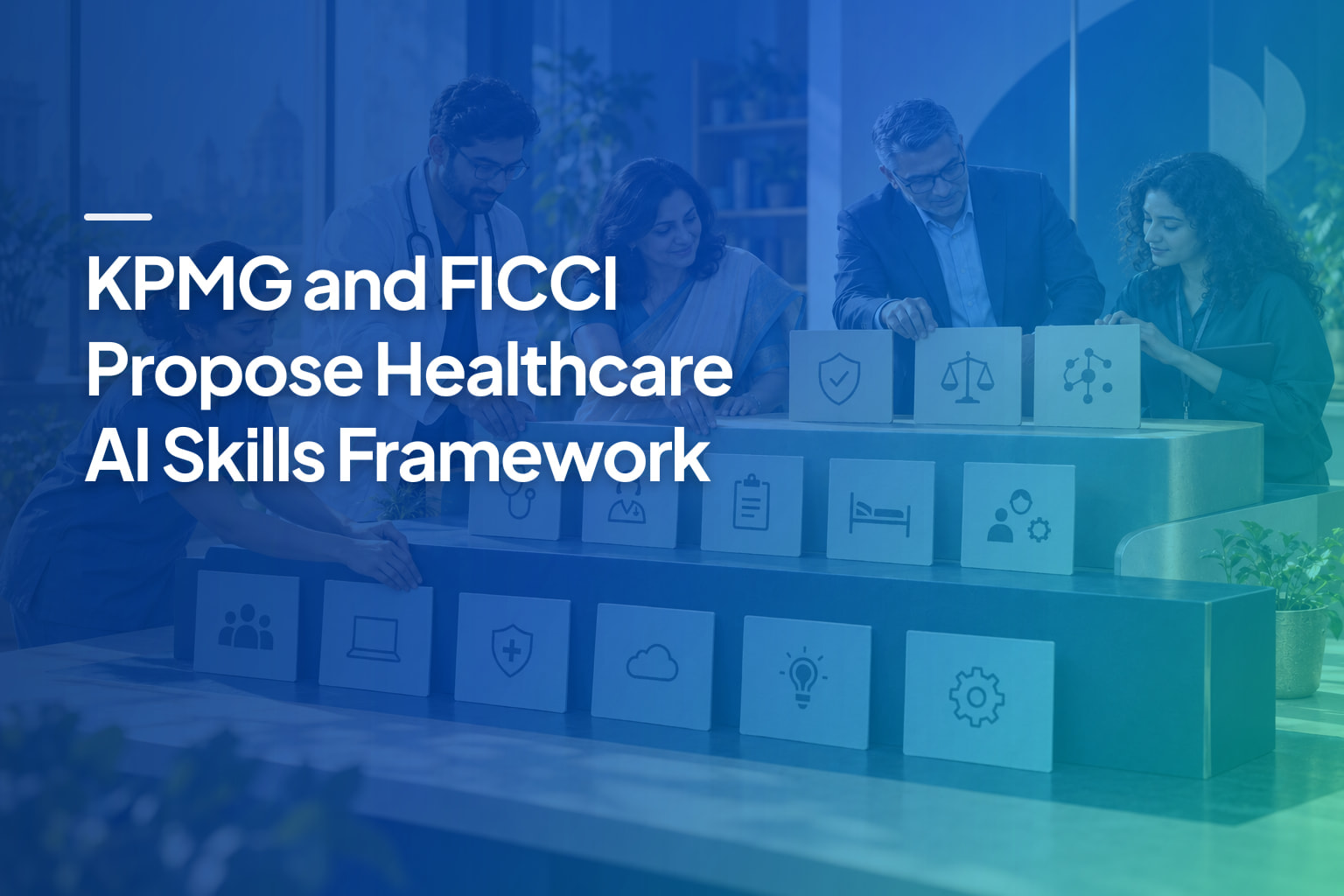
The featured image is an AISFY editorial photograph of a fictional scene. It does not depict the reported hackathon, its participants, venue, prototypes or results.
What did UAE Codes 2026 ask banking employees to do?
An Emirates News Agency report published on 3 November 2026 at 22:10 Asia/Dubai says the UAE AI Office and Emirates NBD organised “Build the Future with AI” as a two-day hackathon. An accessible organiser press release distributed through Zawya carries the same account. The sources report 100 Emirati employees from Emirates NBD Group and other banks across the region. Cross-functional teams worked on real-world banking challenges and used AI and coding tools to develop solutions.
The report says participants received input from experts, alumni and technology leaders before presenting their work to a judging panel. It names Project Ready, Career Lab and Mashoura as the winning projects. This was reported as completed activity, not a future programme announcement; the winning-project status establishes a judged event output, not deployment or a business result.
What does the report not establish?
WAM does not publish the learning objectives, participant baseline, curriculum, approved tools or information boundaries, judging rubric, individual assessment or follow-through plan. It also does not report whether the prototypes entered a controlled pilot, whether participants later applied the methods at work, or whether capability or business outcomes were measured.
Those gaps limit what another employer can infer. A hackathon can create a bounded setting for cross-functional problem-solving and rapid feedback, but a polished team presentation does not by itself show that each participant can repeat the work safely, independently or under the support conditions expected in their role.
When should a buyer choose a hackathon rather than a workshop?
AISFY editorial planning aid: This comparison is an editorial recommendation based on the decision a training buyer faces. It is not an outcome reported by the UAE AI Office, Emirates NBD or the participating banks.
| Format | Use it when | Evidence to require |
|---|---|---|
| Foundation workshop | People first need shared language, responsible-use boundaries and practice with approved role examples. | A baseline and follow-up task showing correct use, review, escalation and safe refusal. |
| Applied hackathon | Participants share a baseline and need to practise solving a defined challenge across functions within a time box. | A clear problem brief, approved inputs and tools, a transparent rubric, reviewer feedback and an individual reflection on what transfers to work. |
| Project sprint | The organization needs one selected idea to move towards a controlled pilot rather than several judged concepts. | An accountable owner, information and access approval, test plan, risk gate, handover and stop-or-continue decision. |
AISFY reflection: plan the evidence after the pitch
AISFY reflection: The valuable question after a hackathon is not only which team won. It is what participants can now do on a new workplace challenge, within the organization’s approved boundaries, and what needs further supported practice. Before commissioning this format, decide whether the desired result is shared capability, a portfolio of concepts or one pilot-ready proposal; each requires different evidence.
Compare this distinction with the difference between AI-assisted performance and retained learning, then use workshop evaluation beyond attendance to define the follow-through evidence.